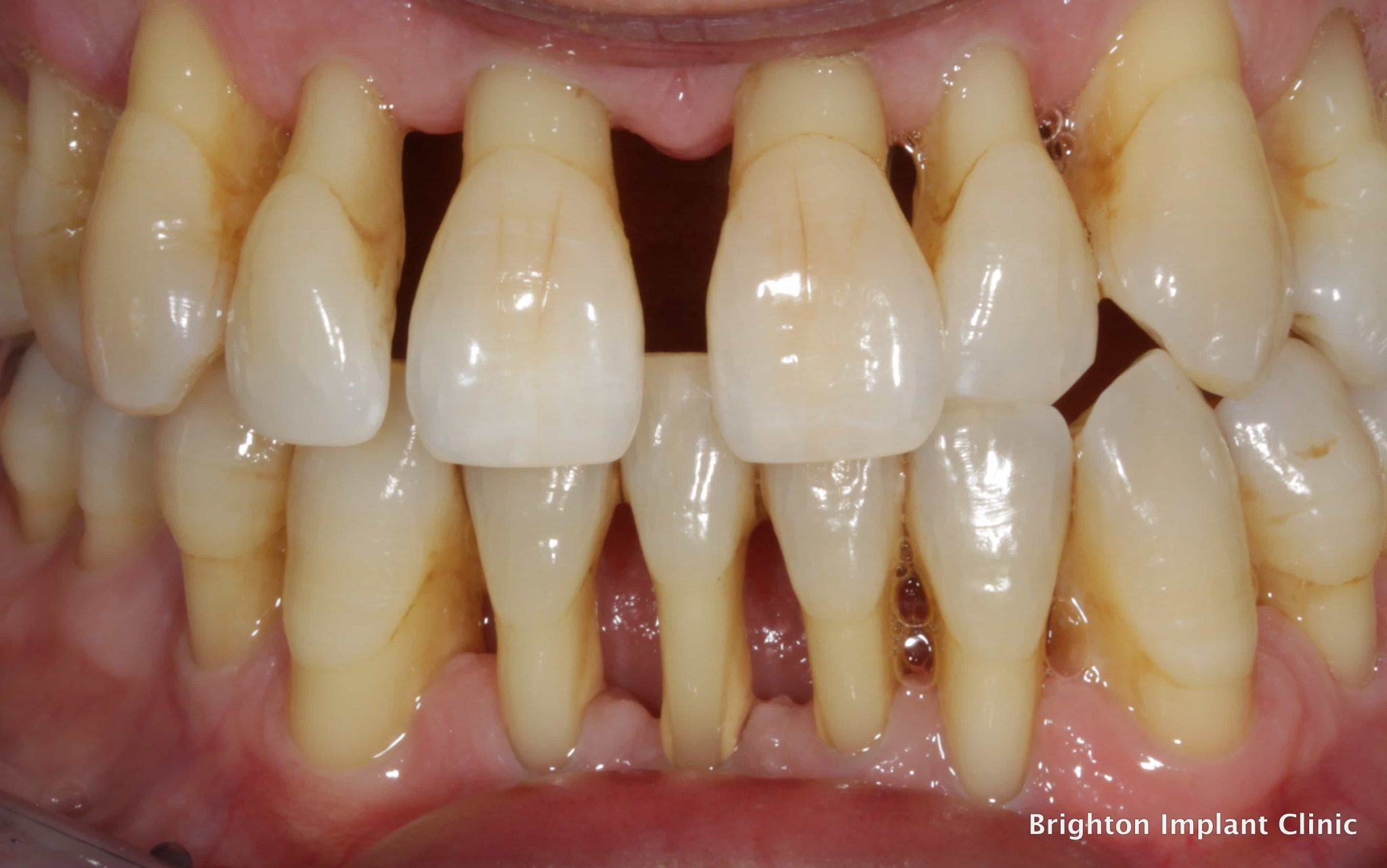
Four Signs That Indicate Tooth Cavity

Four Signs That Indicate Tooth Cavity

The health of one’s teeth is key to their overall health. Preventing cavities and tooth decay is one of the essential ways to keep the teeth healthy as well as the condition and to avoid other complications. According to the statistic of the CDC (Center for Disease Control and Prevention), 30% of American adults have untreated tooth cavities. Untreated cavities can damage the teeth and probably create more serious dental issues.

Tooth Cavity

When food and bacteria build up in the teeth, it can develop plaque. The plaque bacteria produce acids that can wear away the enamel on the surface of the teeth. With a regular flossing and brushing routine, you can get rid of the tooth cavity and sticky plaque. If the plaque enabled to build up, it would continue to eat away at the teeth and create a cavity or other dental problems.  Here are a couple of the most common signs that a person may have a tooth cavity.

Signs of a Tooth Cavity

There are many possible signs that may indicate the beginning of the cavity. There are also numerous red alerts that are signs of an existing cavity is getting larger.

Cold and Hot Sensitivity

A sensitivity that lingers after ingesting cold or hot food and beverages can be a sign that a person has a cavity. When the enamel of the tooth begins to erode, it can affect the dentin, which is the tough tissue layer under the enamel. When there is not enough enamel to secure the dentin, beverages, or foods that are sticky, cold, hot, and acidic can stimulate the cells as well as nerve inside the tooth. It creates sensitivity.

Toothache

Ongoing pain in one or more of the teeth can also a sign of a cavity. In short, the ache is one of the most common symptoms of a tooth cavity. Sometimes this pain can come on suddenly, and it can occur as an outcome of something you ingest. It includes discomfort and pain in or around the mouth or feels ache and pressure while biting down on food.

Staining on Tooth

Stains on the tooth may initially appear as white spots. The stains can become darker, or tooth decay becomes more advanced. Staining caused by a cavity can be black, white, or brown, and typically seems on the surface of the tooth.

 A Pit or Hole in the Mouth

If the white spots are seen on the teeth, it’s a red alert and end up with a pit or hole in the tooth that you can see while looking in the mirror or feel while you run your tongue over the surface of the teeth. A couple of holes, especially amid the teeth or in gaps, can’t felt or seen. But then again, you might feel sensitivity or pain in the area of the cavity. In order to protect your teeth from such serious dental issues, you need to make an appointment to visit your dentist as soon as possible.


What Is Gingival? How To Treat Gingival Disease

What Is Gingival How To Treat Gingival Disease

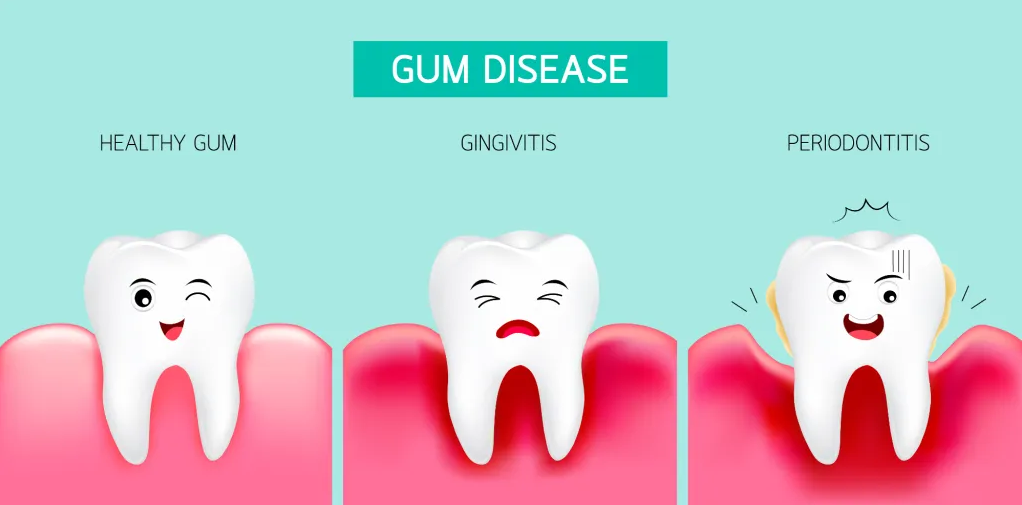
The plaque can cause gum disease. It is a film of bacteria that continuously accumulates around, throughout the tooth and between one tooth and another. If these bacteria are not removed by regular brushing and flossing can irritate the gums, causing redness, inflammation and bleeding; all of them early symptoms of the first phase of gingival disease known as gingivitis. If these signs of gingival disease are not treated, spaces between the teeth and gums can form.  If these spaces become deeper, they can generate periodontitis: one of the most serious forms of gingival disease.

Image of saliva with blood

Once that stage of gingival disease is reached, it is possible that damage has already been generated which, if left untreated, can cause the loss of dental pieces. That is why it is important to stop the progression of the disease in its early stages (gingivitis) through an effective treatment for gingival disease and keep your gums healthy.

THREE-STEP TREATMENT TO TREAT GINGIVAL DISEASE

A healthy gums are vital for healthy teeth and the best way to ensure they remain healthy is through a good oral care routine. It is only necessary to follow three simple steps to keep the gums and teeth clean and prevent gingival disease.

STEP 1 – BRUSH YOUR TEETH TWICE A DAY WITH DAILY TOOTHPASTE WITH FLUORIDE 

Brush your teeth twice a day for at least two minutes with a manual or electric brush with a small head and rounded and soft bristles. Use daily toothpaste with fluoride , which physically eliminates the accumulation of bacterial plaque in the line where the gums and teeth join, which helps maintain a good seal. If used twice a day, it is x4 times more effective than a regular toothpaste, eliminating the accumulation of bacteria, one of the causes of bleeding gums *.

STEP 2 – FLOSS TO REMOVE PLAQUE BETWEEN TEETH

Use dental floss or interdental brushes to remove plaque from hard-to-reach areas, such as between teeth. Remember to floss carefully as you could damage your gums.

STEP 3 – VISIT A DENTIST REGULARLY TO ELIMINATE PLAQUE BUILDUP AND HELP PREVENT GINGIVAL DISEASE

Visit the dentist regularly for check-ups. As a professional, they can detect your gum problems before you notice the symptoms. Dental hygienists at the dentist’s office can also perform dental cleanings to eliminate the accumulation of bacterial plaque and stains that is more difficult to remove with brushing alone and thus preventing gingival disease. Follow these three steps to avoid gingival disease and keep healthy gums and strong teeth.
- VISIT A DENTIST REGULARLY TO ELIMINATE PLAQUE BUILDUP AND HELP PREVENT GINGIVAL DISEASE

WHAT SHOULD I DO IF I ALREADY HAVE GINGIVAL DISEASE?

If you suffer from any of the symptoms of gingival disease or you already have gingivitis, the above steps can help prevent it from progressing to periodontitis which is irreversible. Periodontal disease, if left untreated, can cause the loss of teeth. If you have a gingival disease you should visit your dentist to prevent it from getting worse.

Accessibility Toolbar